Practical Guide to Hiking Etiquette in Public Spaces
Hiking is a popular outdoor activity that allows individuals to connect with nature. However, understanding and practicing proper etiquette can significantly enhance both your experience and that of fellow hikers. This guide aims to provide practical insights into respectful hiking practices.
Understanding Hiking Etiquette
According to industry experts, hiking etiquette is vital for maintaining the enjoyment of natural spaces for everyone. Many users report that adhering to basic rules can lead to a more pleasant experience on the trails. This is particularly important in popular hiking areas where foot traffic can be substantial.
"Respectful behavior on the trails can make a significant difference in the shared experience of nature." – Outdoor Activity Expert
Basic Principles of Hiking Etiquette
- Yield the Trail: Hikers should yield the trail to those going uphill. This practice is widely recommended as it permits easier access for those exerting more effort.
- Stay on Designated Paths: Following established trails helps preserve the surrounding environment. Research indicates that straying from paths can lead to soil erosion and habitat destruction.
- Keep Noise Levels Down: Experts recommend maintaining a quiet atmosphere to enhance the experience of nature for yourself and others. Engaging in loud conversations or music can detract from the serenity of outdoor spaces.
Additional Considerations for Ethical Hiking
- Leave No Trace: Ensuring that your visit does not impact the environment is crucial. This principle involves packing out all waste and minimizing your footprint.
- Respect Wildlife: Observing animals from a distance and not feeding them is essential for their wellbeing. Many studies emphasize the importance of keeping wildlife wild.
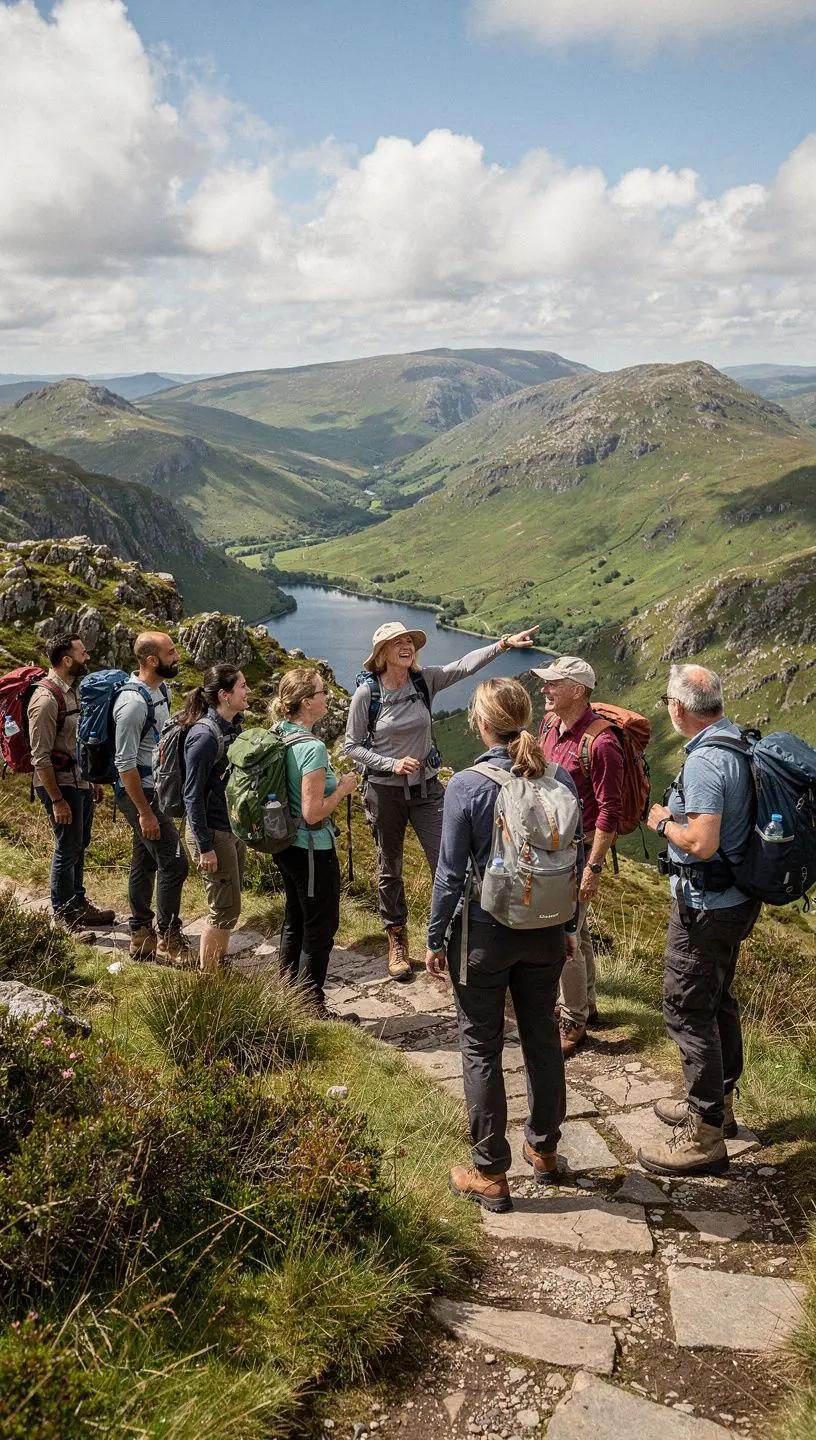
- Be Mindful of Other Hikers: Whether you're hiking solo or in a group, being aware of those around you can foster a positive atmosphere. This includes waiting for others to pass if you're taking a break.
Conclusion
Practicing good hiking etiquette is not only about following rules; it’s about fostering a sense of community and respect in outdoor environments. By adhering to these guidelines, hikers can play a significant role in preserving the beauty and accessibility of public spaces. Remember, your consideration can enhance the hiking experience for others while allowing you to fully appreciate the wonders of nature.