How Urban Green Spaces Enhance Community Well-Being
Urban green spaces, such as parks and gardens, play a crucial role in enhancing community well-being. Research indicates that these areas can significantly improve mental and physical health, foster social connections, and promote an overall sense of belonging.
The Importance of Green Spaces
Studies show that access to green spaces can positively influence community health. According to the World Health Organization, urban greenery is linked to reduced stress levels and improved mental health outcomes. This is primarily because green areas provide a natural setting for physical activity and relaxation, which are essential for maintaining a healthy lifestyle.

"Green spaces are not just aesthetic additions; they are vital components of urban infrastructure that can enhance quality of life." - Urban Planning Expert
Benefits of Urban Green Spaces
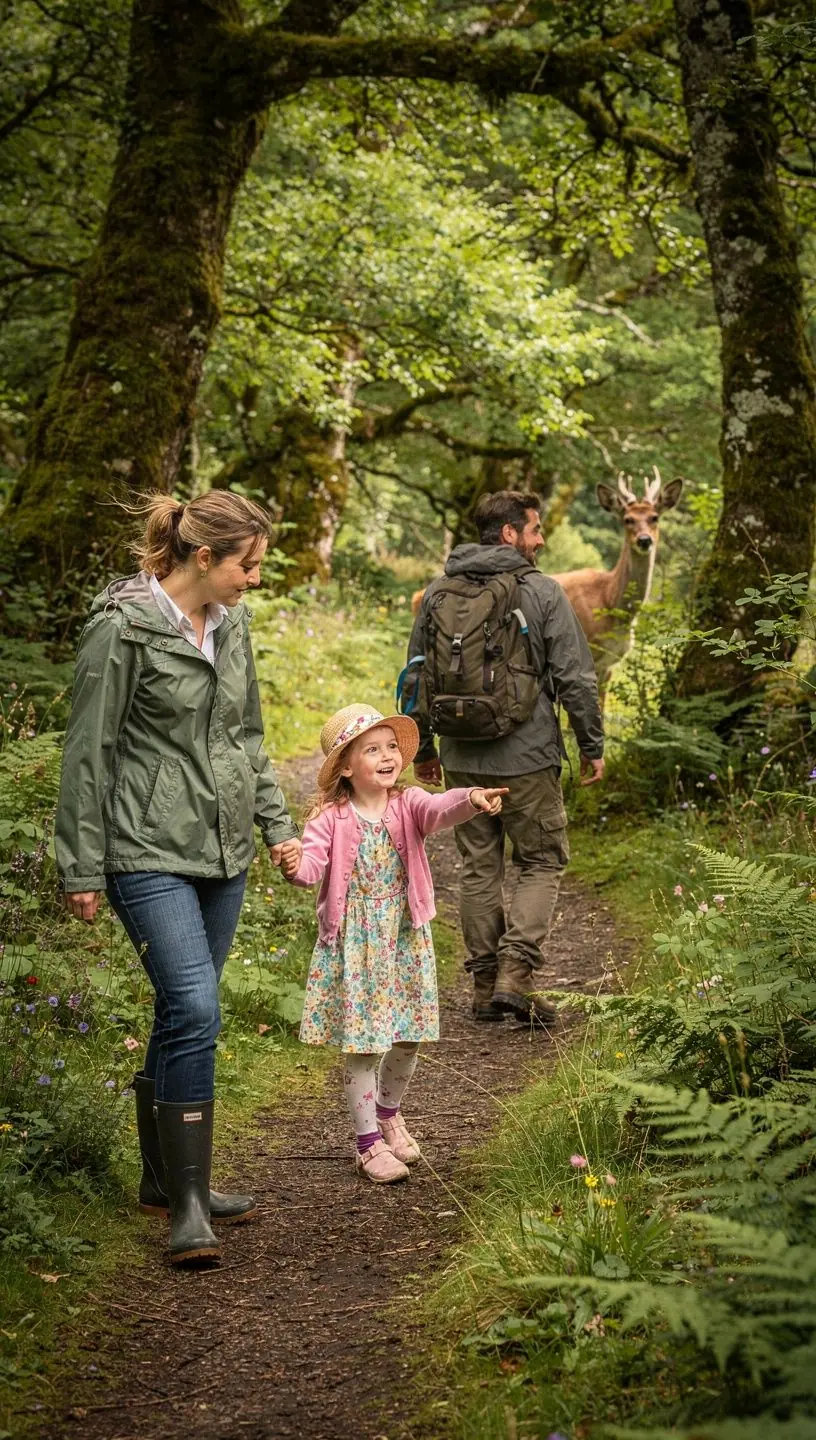
- Improved Physical Health: Parks and walking trails encourage outdoor activities, which are associated with lower rates of obesity and chronic diseases. Research indicates that people living near green spaces are more likely to engage in regular exercise.
- Mental Well-Being: Spending time in nature has been shown to reduce symptoms of anxiety and depression. In many cases, individuals report a significant uplift in mood after brief exposure to green environments.
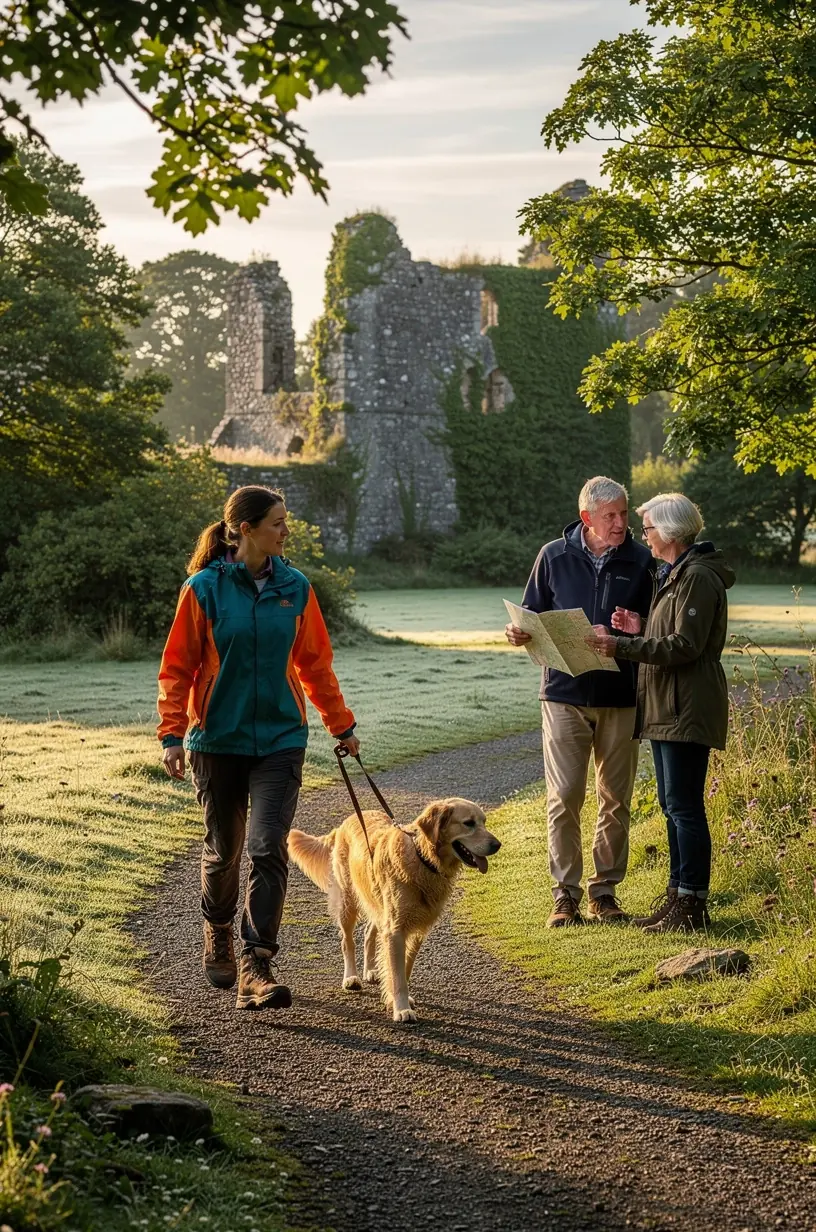
- Social Cohesion: Green spaces often serve as communal areas where people can gather, interact, and form connections. This social interaction is crucial for building community ties and a sense of belonging.
How Urban Green Spaces Function
The effectiveness of urban green spaces stems from several underlying principles:
- Accessibility: For green spaces to be beneficial, they need to be easily accessible to community members. Research suggests that urban designs incorporating green areas within a short walking distance from residences yield the best results.
- Diverse Offerings: Green spaces should offer a variety of activities, such as walking paths, playgrounds, and picnic areas. This diversity encourages broader usage among different age groups and abilities.
- Community Involvement: Engaging local residents in the planning and maintenance of green spaces can lead to greater ownership and respect for these areas, fostering a deeper connection to the environment.
Challenges and Considerations
While the benefits of urban green spaces are clear, implementing these areas does come with challenges. Developing and maintaining green spaces often requires significant time and financial investment. Additionally, it is essential to recognize that the effectiveness of these areas can vary based on local demographics and community needs.
Experts recommend that urban planners take these factors into account, ensuring that green spaces are tailored to serve the unique needs of each community. This approach may involve conducting surveys or focus groups to gather input from local residents.
Conclusion
Urban green spaces are critical to enhancing community well-being through improved physical health, mental well-being, and social cohesion. While creating and maintaining these areas can be challenging, the potential benefits—backed by research—make them a worthy investment for cities. By ensuring accessibility, diversity, and community involvement, urban planners can create spaces that genuinely enrich the lives of residents.
Explore More